

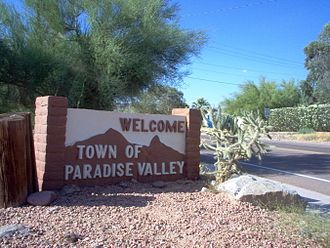
Quick Answer: The Toolbox Pro connects Paradise Valley homeowners with a local, insured handyman starting at $65 flat-rate. Book online, pick a time that works, and get the job done same-week in most cases. No hourly guessing, no strangers from random lists.
Paradise Valley homeowners need a handyman who knows the area and shows up on time. The Toolbox Pro pairs you with one local pro. You get a flat-rate price upfront. Same-week scheduling. Insurance and background checks included. That's it.
What Makes Paradise Valley Homes Different
Paradise Valley sits between Scottsdale and Phoenix. Camelback Mountain and Mummy Mountain frame the town. Almost everything here is residential. You'll find single-story ranch homes mixed in with custom Mediterranean estates, most built in the 1970s through early 2000s.
The desert takes a toll. Summer heat regularly hits 110°F or higher. Exterior paint fades fast. Wooden gates warp. Door seals dry out and fail. Monsoon season brings wind, dust, and rain that crack stucco and choke gutters.
Lots tend to be large, which means many homes have guest houses or casitas. More ceilings means more fans. More exterior walls mean more lighting fixtures. More doors. More wear and tear each year. A good handyman in Paradise Valley needs to understand desert building materials and how they break down under sun and heat.
Neighborhoods like Clearwater Hills, areas near Lincoln Drive, and estates along McDonald Drive all have high ceilings, tile floors, and smart-home systems. These homes need someone who can handle variety, not someone locked into a single skill.
What Handyman Jobs Cost in Paradise Valley
| Service | Typical Price | What's Included |
|---|---|---|
| Ceiling fan installation | $85 $150 | Remove old fan, install new fan, test operation |
| TV (television) mounting | $75 $130 | Mount bracket, hang TV, conceal cables |
| Toilet or faucet repair | $80 $140 | Diagnose issue, replace worn parts, test for leaks |
| Furniture assembly | $65 $120 | Assemble flat-pack items including IKEA pieces |
| Drywall patch | $75 $160 | Patch hole, sand smooth, prime surface |
| Door and hardware repair | $70 $130 | Adjust hinges, fix latches, replace handles or locks |
| Smart-home device setup | $65 $120 | Install and configure smart thermostat, doorbell, or switch |
All prices are flat-rate. You see your exact quote before you book. Nothing changes on the day of the work.
Jobs Homeowners Call for Most Often
Ceiling fans. Paradise Valley estates often have great rooms with vaulted ceilings. Mounting fans safely on those high ceilings requires special kits and experience.
TV mounting. Large televisions above fireplaces or mounted to stucco walls need the right anchors. One mistake and you're looking at damage.
Door repairs. Summer heat makes wooden frames swell and warp. Doors stick. Latches don't catch. This is one of the busiest service calls from June through September.
Smart-home setup. Older custom homes are getting smart thermostats, video doorbells, automated lights. Installation and configuration take real skill to get right.
Furniture assembly. IKEA pieces, patio furniture, built-in shelving. Done wrong, they fall apart. A pro ensures everything stays solid.
Drywall and stucco repair. Interior drywall holes. Small stucco cracks from monsoon winds. Catch them early and they're quick fixes.
What We Handle in Paradise Valley
- Ceiling fan installation and replacement
- TV (television) wall mounting and cable concealment
- Toilet, faucet, and minor plumbing repairs
- Flat-pack and IKEA furniture assembly
- Drywall patching and surface prep
- Interior and exterior door adjustment and repair
- Smart-home device installation and configuration
- Light fixture and switch replacement
- Weatherstripping and door seal replacement
- Picture hanging, shelf installation, and general odd jobs
Why Paradise Valley Homeowners Pick The Toolbox Pro
You get a background-checked pro with general liability insurance. No mystery crew. No strangers pulled off an unvetted list.
Flat-rate pricing from the start. Use the AI tool to describe your job. Get a price in seconds. That's what you pay. No hourly guessing that spirals upward mid-job.
Same-week scheduling is real. You're not waiting around for two weeks to get a fan installed or a door fixed. Most Paradise Valley jobs book within days.
The whole thing takes two minutes. Describe the job. See the price. Pick a time. A local pro shows up and finishes it. Book online today.
We Serve All of Paradise Valley
Same-week service is available across Paradise Valley. We handle jobs near Camelback Mountain, along Lincoln Drive, near Mummy Mountain, and throughout all residential areas. Guest houses and casitas on larger lots qualify too. If it's in Paradise Valley, we can match you with a pro.
Every pro carries general liability insurance. That matters on high-value custom homes. The Insurance Information Institute recommends verifying contractor coverage before work starts.
Same-week availability depends on the job and demand. Book early in the week for your best shot at next-day service.
Ready to book? Go to /book now. You can also browse all handyman services The Toolbox Pro offers. Before hiring any contractor, check the FTC: hiring a contractor guide for tips on protecting yourself.
Book a Handyman You Can Trust
The Toolbox Pro takes the headache out of finding someone in Paradise Valley. Describe the job. Get an instant flat-rate price. Pick a time. A background-checked, insured local pro handles the rest. No guessing. No random crews. No call centers. Just one person, one price, one straightforward booking for Paradise Valley homeowners and nearby areas.
- Flat-rate pricing from $65, you know the cost before you confirm
- AI instant estimates, describe the job, get a quote in seconds
- Same-week availability, most jobs schedule within days
- Independent local pros, background-checked with general liability insurance
Frequently Asked Questions About Handyman Services in Paradise Valley
How much does a handyman in Paradise Valley cost?
Jobs through The Toolbox Pro start at $65 flat-rate per job. That's your final price. No hourly rates that climb once the pro walks in. Most jobs fall between $65 and $160 depending on what needs doing. TV mounting, ceiling fan swaps, furniture assembly. You get your exact quote upfront using the AI tool. Describe it, see the number, then decide.
What kinds of jobs can a Paradise Valley handyman handle?
A local pro handles ceiling fans, TV mounting on stucco or drywall, toilet and faucet repairs, flat-pack furniture (including IKEA), drywall patches, door adjustments, smart-home device setup, light fixture swaps, and weatherstripping. Unsure if your job fits? Use the estimate tool and describe it. Jobs that need a licensed trade contractor like full electrical panel work or gas line repair fall outside standard handyman scope.
How quickly can I get a handyman in Paradise Valley?
Most jobs in Paradise Valley book same-week. Local pros are already working nearby, so lead times stay short. Book early in the week for best availability. Monday or Tuesday bookings often land you a next-day or two-day slot. It depends on the job type and current demand, but same-week is normal. Pick your preferred time window when you book online.
Are the handyman pros insured and background-checked?
Every pro is background-checked and carries general liability insurance before working through The Toolbox Pro. General liability covers accidental property damage during a job. Arizona doesn't require a contractor's license for smaller repair jobs under certain thresholds, but plumbing or electrical work above those limits may need a licensed contractor. The Toolbox Pro matches you only with independent pros appropriate for your specific job.
How is The Toolbox Pro different from Angi or Thumbtack?
Angi and Thumbtack sell your contact info to multiple contractors who then compete to call you. You field several calls and compare bids yourself. The Toolbox Pro works differently. You get matched with one local pro. Flat-rate pricing upfront through AI estimates, not back-and-forth negotiation. One point of accountability from booking through completion. Simpler and more predictable for Paradise Valley homeowners.
Why book your Paradise Valley handyman here
- We’ve screened 10 Paradise Valley handyman businesses so you don’t have to — book a vetted pro in minutes.
Figures from The Toolbox Pro’s live marketplace data for Paradise Valley, AZ.
