

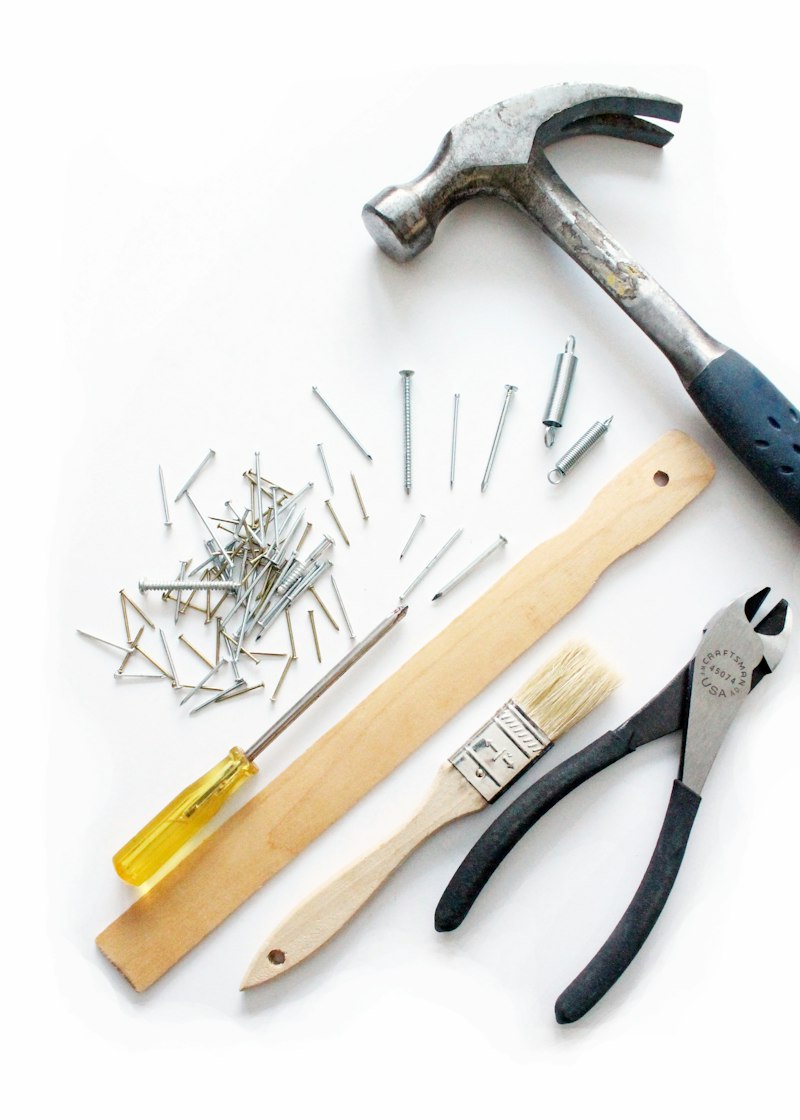
Get help with your home repair list. Request TV mounting, furniture assembly, door repairs, drywall patching and other small home projects through The Toolbox Pro. Start with the job and your service address, get an initial estimate and confirm the scope and appointment.
Get an estimate for your project
Choose the work you need done
A useful request describes the result you want, not just a trade name. Use these checklists to explain your project and avoid an estimate based on the wrong materials or installation.
TV mounting, shelves and wall hangings
Include the TV or item size, wall material, intended height and whether you already have the bracket or shelf hardware. Tell us if the mount needs to swivel and whether cable concealment is part of the request. Wall mounting and adding an electrical outlet are different scopes; include both if you need both.
Planning shelves? Read what affects shelf installation cost.
Furniture assembly and room setup
List the product names or model numbers, item count and the rooms where the furniture will go. Include stairs, large packages and any wall anchoring specified by the manufacturer. Assembly, moving existing furniture and packaging removal should be agreed as separate parts of the request.
Doors, cabinets and small carpentry repairs
Describe the symptom: a door that will not latch, a loose handle, a drawer that sticks or a cabinet hinge that has pulled away. Note whether you want an adjustment, replacement hardware or a new item installed. Photos of the whole door or cabinet and the damaged part help explain the task.
Drywall patching, caulking and finish work
Give the number and approximate size of damaged areas. Specify whether you need patching only, texture matching, primer or paint as well. For caulking, identify the surface and whether old material needs removing. Active leaks and the cause of recurring damage need assessment before cosmetic repairs.
Fans, light fixtures and plumbing requests
State whether the job replaces an existing fixture or creates a new installation. Include the model and any known problems. Wiring changes, supports, permits and trade licensing can affect who should do the work. Do not assume every electrical or plumbing project fits a general handyman visit; the required professional and scope must be confirmed.
How to request a handyman visit
- Describe your project. List tasks, quantities, measurements and materials you already have.
- Enter your service address. Your location and job determine the available professional and appointment options.
- Review the estimate and booking details. Confirm the work included, the assigned professional and scheduling before making arrangements.
What affects the price?
Job size, access, wall or surface condition, parts and finish requirements all affect the estimate. An online estimate is not a final invoice. Agree the full scope, labor, materials and any additional charges before work begins. A booking deposit is not the total job price; the form shows the applicable deposit before payment.
For window projects, see how to prepare a curtain rod installation estimate. If you have several repairs, list them together and identify the priority rather than assuming they all fit one visit.
Nationwide requests, local appointment confirmation
The Toolbox Pro accepts home-service requests across the United States. Find your city or state, or enter your service address when booking. A location listing is not a guarantee of an available appointment; matching depends on the job, address and professional availability.
Our local Phoenix East Valley service
For our local Arizona operation, choose Gilbert, Chandler, East Mesa or Queen Creek. Those pages describe the local business separately from nationwide service requests.
Frequently Asked Questions: Handyman Services
Can I book several small repairs together?
Yes. Put the jobs in one request with quantities and priorities. Confirm which tasks, materials and finish work are included in the appointment.
Do I need to buy materials first?
List anything you already have, including model numbers and brackets. Confirm who supplies the remaining parts before buying items or agreeing the work.
Is a handyman available near me?
Start with your service address and project description. Availability must be confirmed for that location and job; nationwide requests do not mean a professional is available in every ZIP code at every time.
Does the deposit cover the whole repair?
No. The booking deposit is separate from the final job price and is credited toward the total. Review the displayed booking terms and confirm the complete scope and price before work starts.
